How Does the RTR Evaporation PVD Coating System Work?
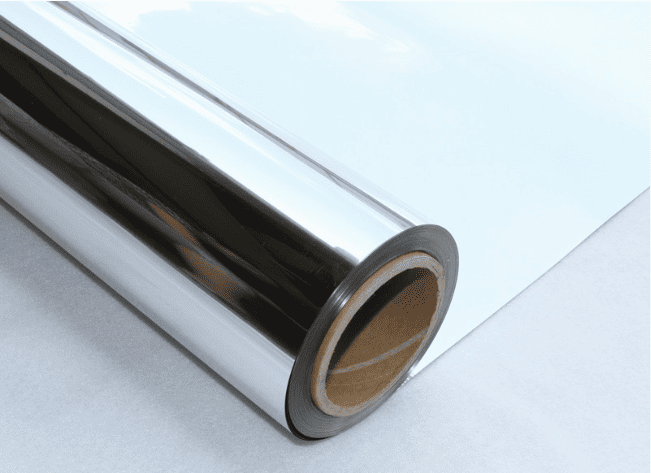
HCVAC adopts roll-to-roll evaporation technology, in which high-purity aluminum is heated to an evaporative state inside a vacuum chamber and then condensed onto the surface of a moving flexible substrate, forming a high-density aluminum film.
This process operates continuously on a roll-to-roll production line, offering high efficiency and excellent process stability.
By precisely controlling the coating thickness, HCVAC’s equipment can be flexibly adapted to meet diverse industrial requirements:
Aluminum Layer Thickness | Typical Application | Key Performance |
30 nm – 100 nm | Food & Pharmaceutical Packaging | Oxygen barrier, moisture barrier, light protection |
100 nm – 500 nm | High-sensitivity Electronic Packaging | Conductive, antistatic, reflective layer |
≈ 1 μm | Composite Current Collector Aluminum Foil | High conductivity, strong adhesion, high mechanical strength |
Therefore, roll-to-roll evaporation PVD coating technology is not merely a surface treatment—it serves as a core process for redefining and enhancing the functional properties of flexible substrates.
What are the Technical Highlights of HCVAC’s RTR Evaporation PVD Coating System?
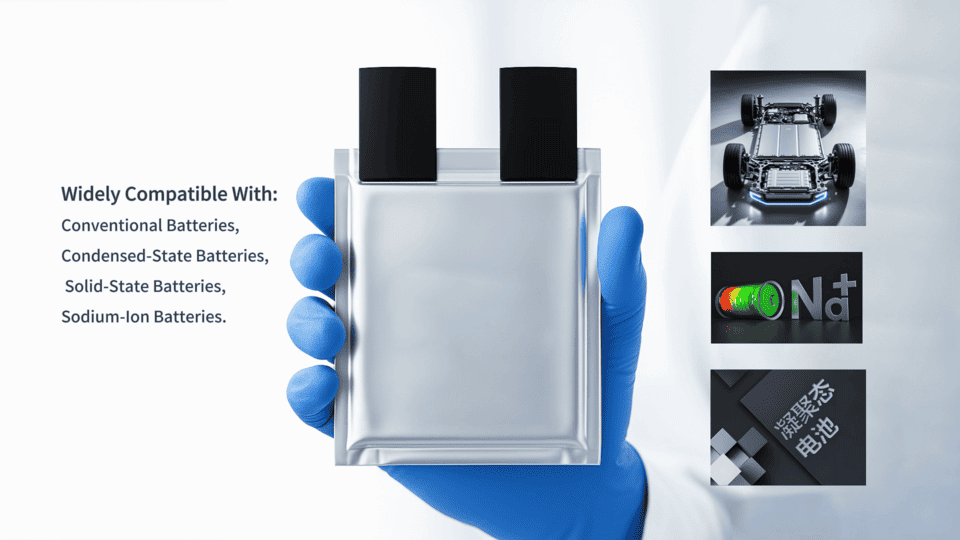
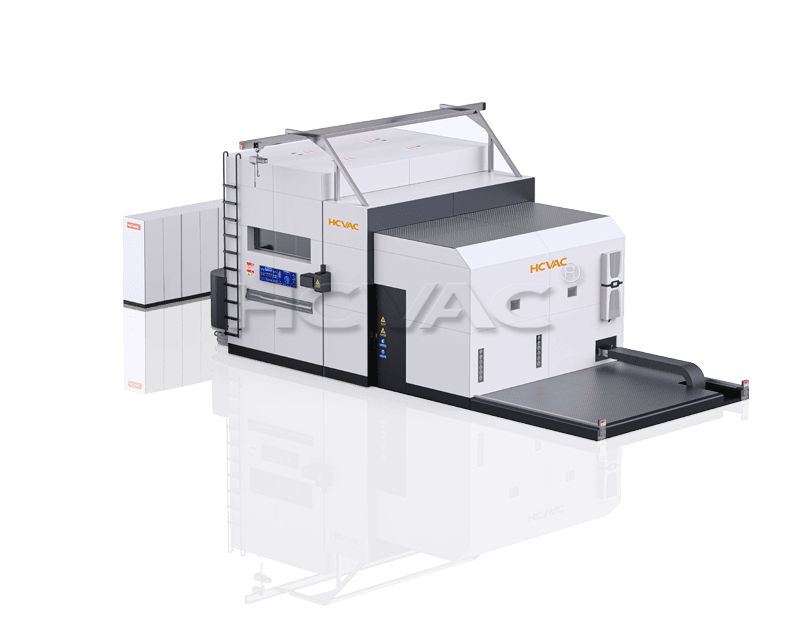
To address the specific requirements of composite current collectors, HCVAC has independently developed the HCRTR-AL series roll-to-roll evaporation PVD coating systems, overcoming the challenge of achieving high-speed, thick-film deposition that traditional evaporation systems struggle with.
Key Features:
- Wide Substrate Compatibility: Supports flexible films such as PET and PP with thicknesses ranging from 4.5–8.0 μm.
- Simultaneous Double-Sided Coating: Enables one-pass deposition of 1.0 μm aluminum layers on both sides, forming a distinctive “sandwich structure”: PVD Al – Polymer Support Layer – PVD Al.
- Enhanced Performance: Significantly improves conductivity, mechanical strength, and thermal stability of the material.
- Stable and Controllable Process: Utilizes a high-vacuum chamber and intelligent tension control system to ensure consistent film uniformity and strong adhesion.
- The introduction of this equipment series has enabled scalable, controllable, and sustainable industrial production of composite current collectors with highly conductive aluminum layers.
Beyond Batteries, What Other Fields Can RTR Aluminum Evaporation PVD Technology Be Applied to?
Roll-to-roll aluminum evaporation PVD technology is not limited to new energy batteries — it also shows strong potential in functional packaging and electronic encapsulation applications.
Food and Pharmaceutical Packaging
By depositing aluminum films with a thickness of 30–100 nm, the process effectively blocks oxygen and moisture penetration, extending shelf life and improving packaging safety.
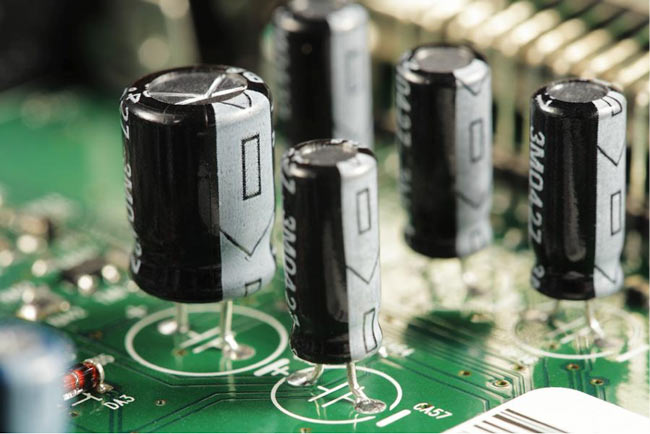
High-Sensitivity Electronic Packaging
With aluminum layers in the 100–500 nm range, materials achieve excellent reflectivity and conductivity, making them ideal for packaging applications in chips, sensors, etc.
Functional Transparent Barrier Films
In combination with HCVAC’s PECVD module system, a SiOx transparent coating can be deposited on the surface, providing:
- High barrier performance
- Environmental friendliness and recyclability
- Microwave heating compatibility
What are the Unique Advantages of the HCPAK Series in the Packaging Industry?
HCVAC’s roll-to-roll evaporation PVD coating systems are specifically engineered for high-performance packaging materials.
Key Advantages:
- Broad Material Compatibility: Supports a wide range of paper and plastic film types and thicknesses.
- High Throughput and Yield: Achieves industry-leading production speed and stability, enabling low-cost, continuous manufacturing.
- Precision Evaporation and Intelligent Tension Control: Ensures optimal barrier performance, adhesion, and film uniformity.
These features make the HCPAK Series one of the preferred solutions for food, pharmaceutical, and optoelectronic material packaging applications.
What is the Value of RTR Evaporation PVD Coating in the Carbon-Neutral Transition?
The lightweight design of composite current collectors and composite aluminum foils not only enhances battery energy density but also plays a critical role in resource conservation and carbon reduction.
According to data estimates:
A production capacity of 5 billion m² of composite aluminum foil can save approximately 122,500 tons of aluminum resources.
This corresponds to an annual reduction of about 2.3 million tons of CO₂-equivalent emissions.
In other words, every PVD aluminum layer represents a step toward zero-carbon manufacturing.
What Future Directions Will HCVAC’s RTR Evaporation PVD Technology Lead?
Through continuous equipment innovation and process breakthroughs, HCVAC is expanding the application of roll-to-roll evaporation PVD coating technology beyond battery manufacturing — into optoelectronics, MEMS, and flexible electronics.
From high-conductivity composite aluminum foils for composite current collectors to high-transparency, SiOx-based eco-friendly barrier films, HCVAC is paving the way for the next generation of sustainable, high-performance materials manufacturing.